
The Revolutionary Movement In The Philippines Today
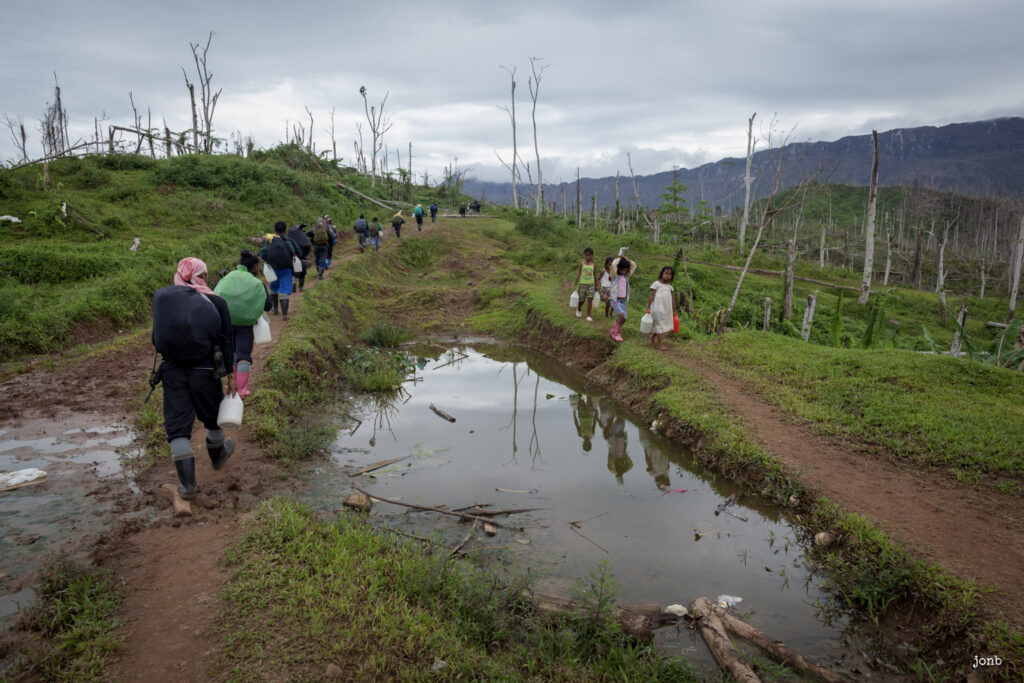
Philippine society persists as semicolonial and semifeudal. It is afflicted by foreign monopoly capitalism, domestic feudalism and bureaucrat capitalism. It is dominated chiefly by US imperialism, with the new imperialist power China trying to seize the West Philippine Sea. The basic exploiting classes are the comprador big bourgeoisie and the landlord class. The basic exploited classes are the proletariat and the peasantry. And the intermediate social strata are the middle bourgeoisie and the urban petty bourgeoisie.
The Social Doctrine of the Roman Catholic Church
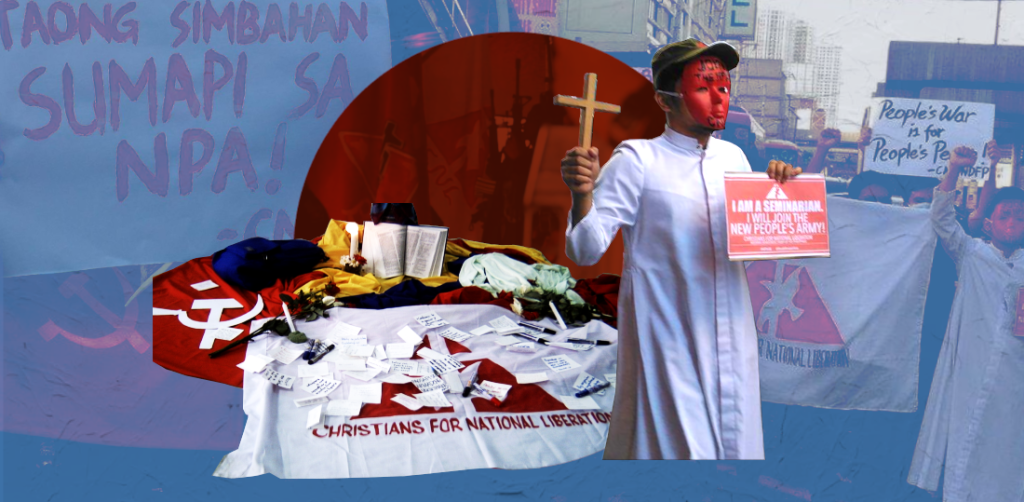
The CNL is excellently qualified to put forward its Commentary on the basis of its long experience, sustained work, sacrifices and achievements in working with other revolutionary forces within the NDFP and with the broad masses of the people since 1972 in the people’s democratic revolution against the semicolonial and semifeudal ruling system dominated by US imperialism and administered by the state functionaries of the local exploiting classes of big compradors, landlords and bureaucrat capitalists.
Significance of the Paris commune of 1871 and its relevance to the world proletarian revolution
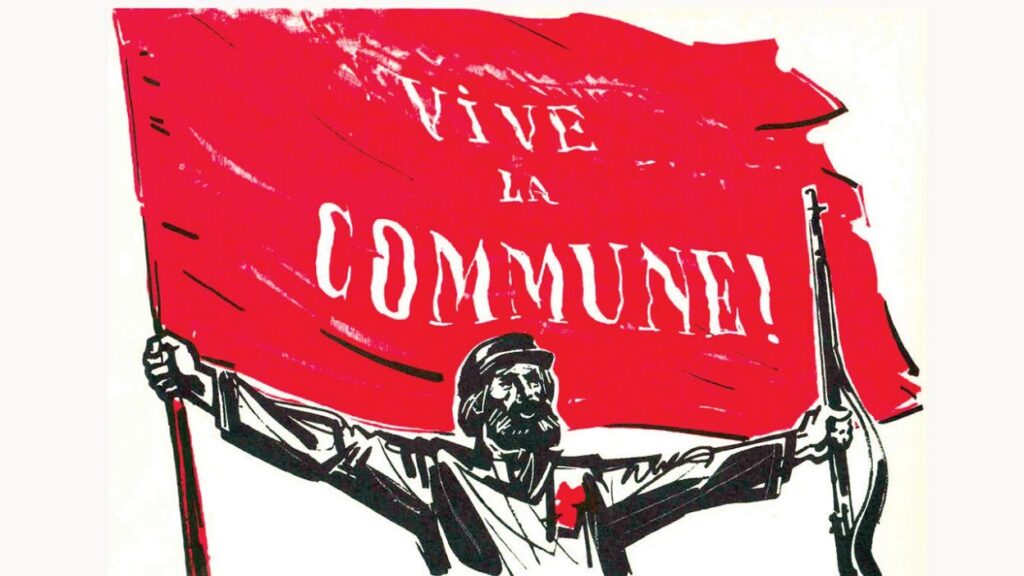
Again in the revolutionary spirit of the Paris Commune of 1871, I daresay that these current mass struggles are in transition to the great resurgence of the world proletarian revolution from the major setbacks caused by revisionist betrayal of the socialist cause. The proletariat and people can never accept the escalation of their exploitation and […]
Ang kabuluhan ng komuna ng Paris ng 1871 at ang kanyang kaugnayan sa pandaigdigang rebolusyong proletaryo

Sa rebolusyonaryong diwa ng Komuna ng Paris ng 1871, mangahas akong magsabi na ang kasalukuyang mga pakikibakang masa ay transisyon sa malakihang muling pagsulong ng pandaigdigang rebolusyong proletaryo mula sa mga mayor na pag-atras dahil sa rebisyunistang kataksilan sa adhikaing sosyalista. Hindi kailanman matatanggap ng proletaryado at mamamayan ang papatinding pagsasamantala at pang-aapi sa kanila. […]
Socialism: Utopian and scientific
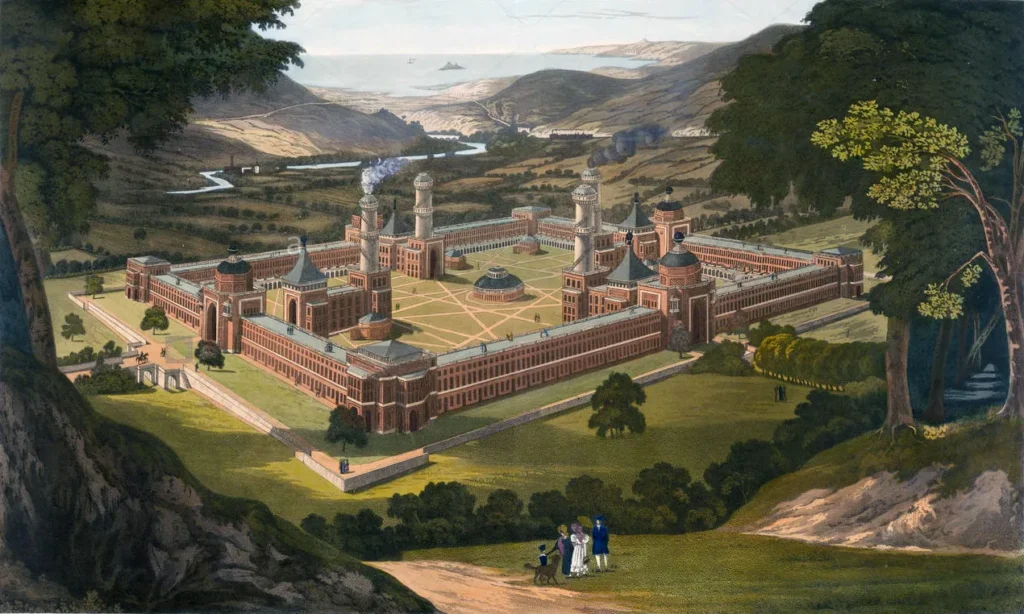
As background, let me cite the fact that in the Communist Manifesto of 1848, Marx and Engels had already differentiated Scientific Socialism from Utopian Socialism of three kinds:
In transition to the resurgence of the World Proletarian Revolution
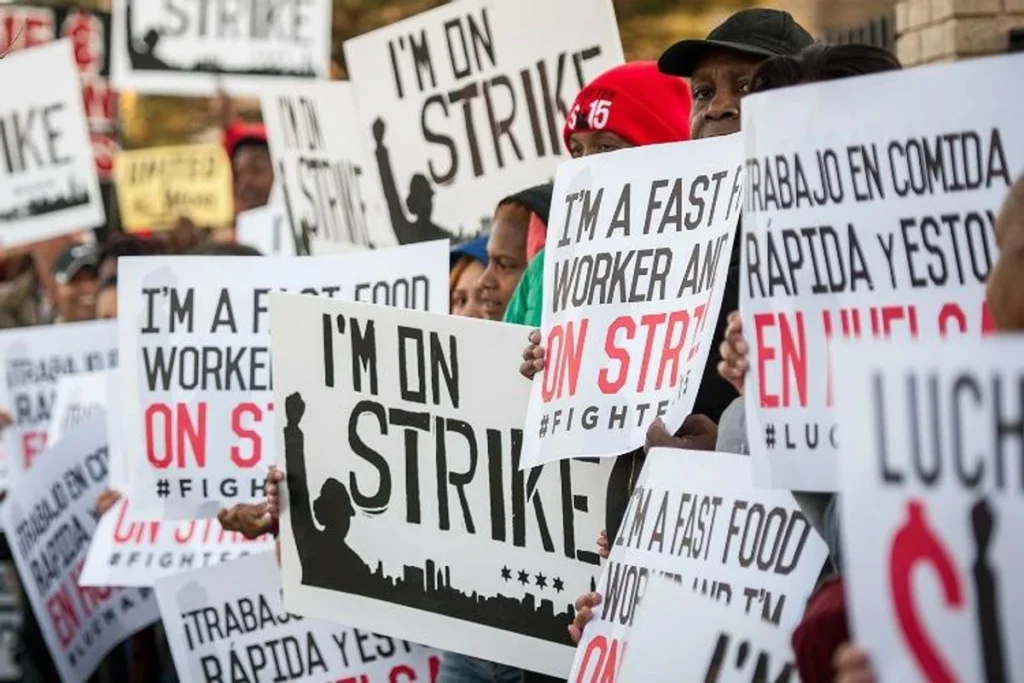
I daresay that the current wave of mass protests signals the transition to a new era of unprecedented anti-imperialist and anti-fascist resistance by the peoples of the world