
Climate Crisis Special: System change not climate change!

To this day, 84 per cent of the energy used in the world is based on fossil fuels (coal, oil, gas and methane). The imperialist powers and their oil, gas and coal monopolies obscure this fact and avoid committing themselves to any definite program of reducing dependence on fossil fuel and increasing reliance on renewable energy (solar, wind, tidal, hydrogen and so on). By a definite program, I mean solid time-bound targets by the industrialized states that will markedly slow down global warming and bring average temperatures to a lower and more stable equilibrium.
The Revolutionary Movement In The Philippines Today
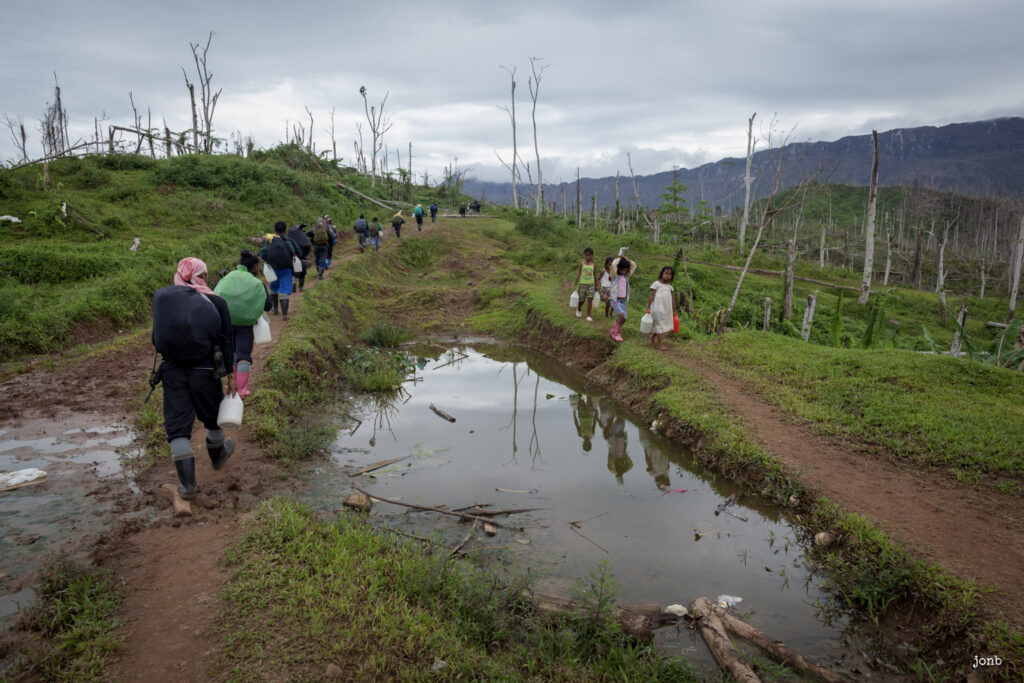
Philippine society persists as semicolonial and semifeudal. It is afflicted by foreign monopoly capitalism, domestic feudalism and bureaucrat capitalism. It is dominated chiefly by US imperialism, with the new imperialist power China trying to seize the West Philippine Sea. The basic exploiting classes are the comprador big bourgeoisie and the landlord class. The basic exploited classes are the proletariat and the peasantry. And the intermediate social strata are the middle bourgeoisie and the urban petty bourgeoisie.
The Social Doctrine of the Roman Catholic Church
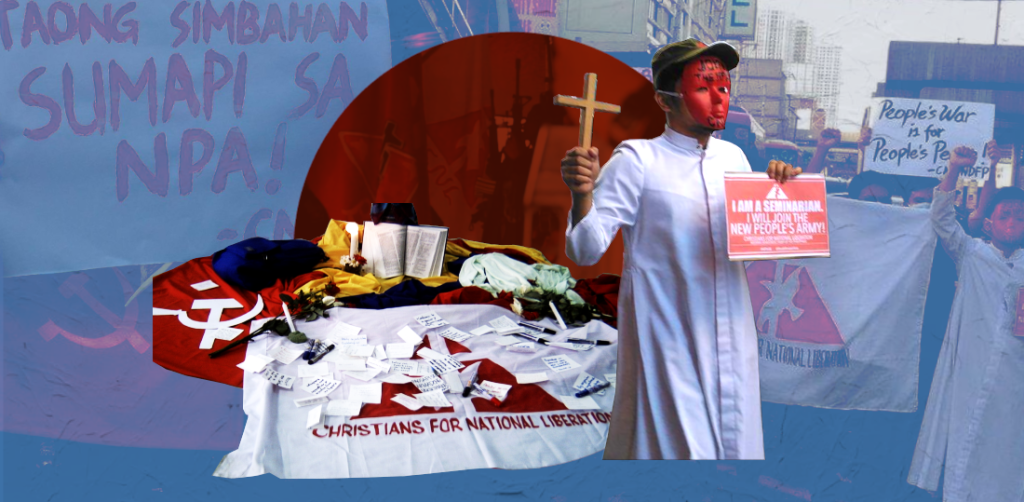
The CNL is excellently qualified to put forward its Commentary on the basis of its long experience, sustained work, sacrifices and achievements in working with other revolutionary forces within the NDFP and with the broad masses of the people since 1972 in the people’s democratic revolution against the semicolonial and semifeudal ruling system dominated by US imperialism and administered by the state functionaries of the local exploiting classes of big compradors, landlords and bureaucrat capitalists.
Socialism: Utopian and scientific
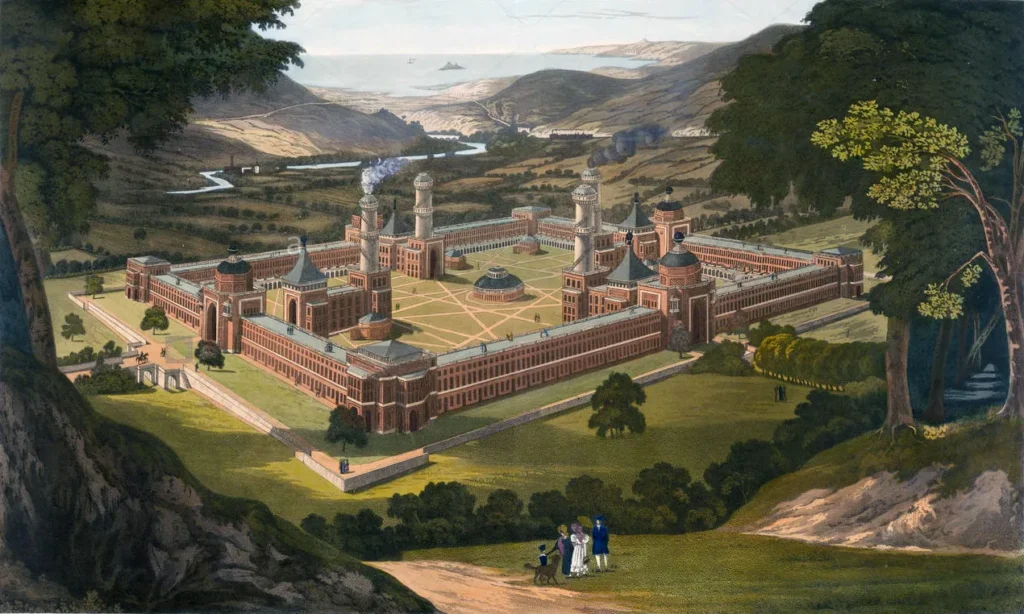
As background, let me cite the fact that in the Communist Manifesto of 1848, Marx and Engels had already differentiated Scientific Socialism from Utopian Socialism of three kinds:
Importance of the national democratic revolution in relation to the global anti-imperialist movement
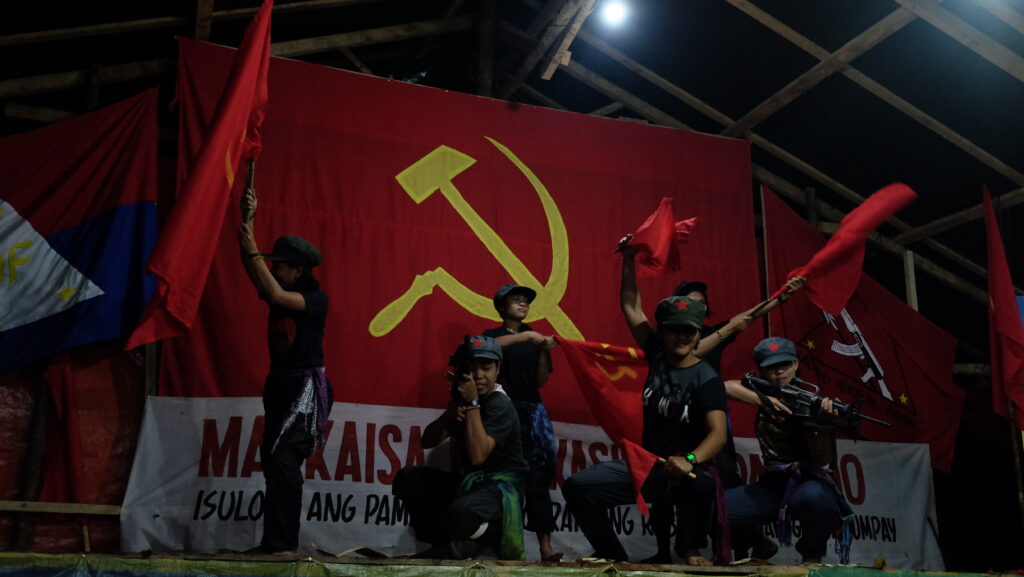
Emerging from its costly wars of aggression in Indochina, the US hoped to make profits from military sales to the oil producing countries and expand production with the use of petrodollars deposited in Western banks